
Somewhere along the way, even healing has become something we're expected to be productive at.
We live in a world that encourages us to constantly do more, accomplish more, and fit more into our already busy lives. And sometimes, we bring that same pressure into how we approach our health and healing.
Even rest can become something we feel we need to do correctly.
But healing doesn't have to follow the same rules of productivity.
Healing isn't another task to accomplish. It's a relationship we cultivate with ourselves.
Instead of adding more to our lives, we can begin finding ways to nourish ourselves within the lives we're already living.
The Ancient Art of Nourishing Life
In Traditional East Asian Medicine (TEAM), there's a concept called Yang Sheng, often translated as "nourishing life."
It's a philosophy of caring for our health through the rhythms of everyday living—how we eat, move, breathe, rest, and respond to the changing seasons.
At its heart is the understanding that we are part of nature, not separate from it.
Just as the natural world moves through cycles of growth and rest, activity and stillness, our bodies have rhythms and changing needs of their own.
In this tradition, health isn't simply about treating illness. It's also about cultivating the conditions that allow life to flourish.
And this doesn't necessarily require elaborate routines or hours of daily practice.
Sometimes it begins with something much simpler.
Healing Can Be Woven Into Everyday Life
Imagine beginning your morning with a few gentle movements to awaken your body, rather than immediately rushing into the demands of the day.
Taking a moment to enjoy a warm, nourishing meal instead of eating while answering emails.
Pausing between activities to notice your breath and release some of the tension you've been carrying.
Or recognizing when your body needs rest—and allowing yourself to honor that need.
These aren't extraordinary acts.
They're small ways of bringing nourishment into ordinary moments.
And when practiced consistently, they can become part of a way of living that supports our well-being.
Caring for our health doesn't always require big changes or elaborate routines. Sometimes, it's the small, intentional ways we nourish ourselves throughout the day that can make a meaningful difference.
From Managing Symptoms to Cultivating Life
When we're living with chronic symptoms, it's understandable that so much of our attention goes toward managing what hurts, what exhausts us, or what limits our capacity.
And that care matters.
But healing is also about looking beyond our symptoms and making space for what we want to cultivate in our lives.
Not just relief from pain or exhaustion, but more energy, vitality, connection, and joy.
Because healing isn't only about what we're trying to overcome. It's also about what we're hoping to reclaim.
We don't have to wait until every symptom disappears to begin nourishing these parts of ourselves.
And we don't have to transform our entire lives overnight.
We can begin with one small moment.
Your Little Sage Practice
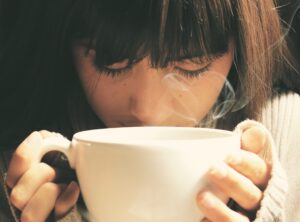
This week, choose one ordinary activity you already do each day—drinking your morning tea, stepping outside, or preparing for bed.
Before you begin, pause for a moment.
Notice your breath. Feel your body.
And gently ask yourself,
What would nourish me today?
You don't need to create a new routine or add anything to your schedule.
Just begin listening.
Because sometimes the most meaningful shift in our healing isn't about doing something new.
It's about changing how we care for ourselves in the moments we already have.
A Different Way of Healing
Our bodies change. Our needs change. The seasons of our lives change.
And the way we care for ourselves can evolve alongside them.
Healing doesn't have to be another destination we're racing toward, or another measure of how well we're doing.
It can be a lifelong practice of learning to nourish ourselves—with gentle guidance, meaningful practices, and the support of others along the way.
Not another thing on your to-do list.
But a way of living that makes room for you.